
ROYAL FAMILY
Following years of demanding privacy and raising security grievances, Harry’s latest high-profile appearance on This Morning has left the British public thoroughly fatigued. Most notably, his continuous media presence lays bare the unmistakable inconsistency behind…👇👇👇

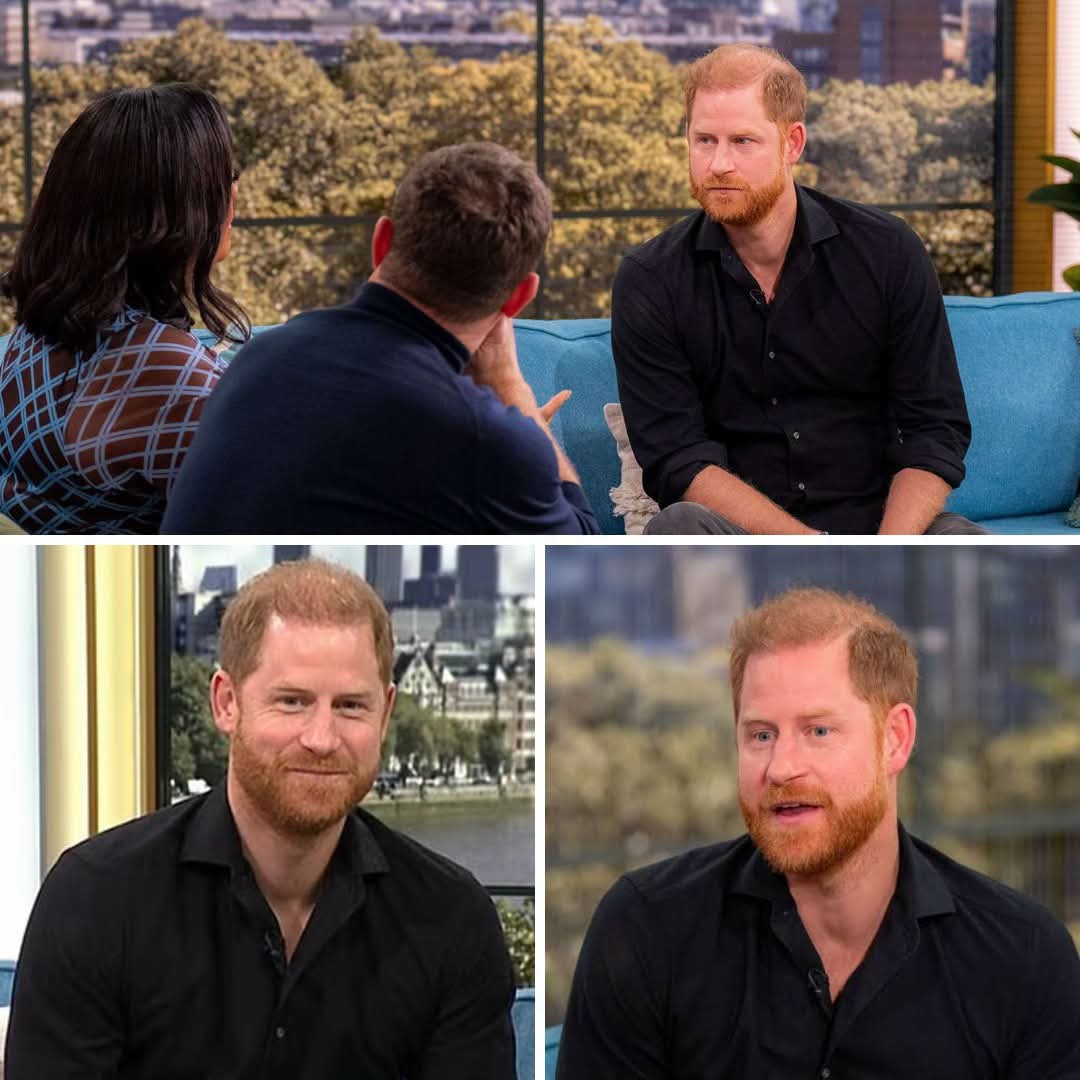
Prince Harry’s This Morning Appearance Sparks Fresh Debate: Is the Duke of Sussex Sending Mixed Messages About Privacy?
Prince Harry has once again found himself at the centre of a heated public conversation following his high-profile appearance on ITV’s This Morning. What might ordinarily have been another television interview has reopened a much bigger debate about his relationship with the media, his desire for privacy and the way he chooses to maintain a public profile.
For years, the Duke of Sussex has spoken openly about the difficulties of living under constant media attention. His concerns about press intrusion, personal security and the impact of public scrutiny have featured prominently in his interviews, public statements and legal disputes.
However, his latest television appearance has prompted some observers to revisit an uncomfortable question: where exactly does the boundary between protecting one’s privacy and maintaining a public presence begin?
It is a question that continues to divide royal watchers.
The Privacy Debate Returns
Harry’s relationship with the British press has been complicated for many years. Following his decision to step back from his senior royal duties in 2020, he and Meghan Markle established a different relationship with public life, pursuing projects, interviews and media opportunities outside the traditional royal structure.
The couple have repeatedly explained that their decision was motivated partly by their desire for greater independence and control over their personal lives.
Yet, critics argue that frequent media appearances can make that message difficult for some members of the public to understand.
They question why someone who has repeatedly expressed frustration with media attention would continue participating in high-profile interviews that inevitably generate headlines.
Supporters, however, see things differently.
They argue that Harry has every right to tell his own story, participate in television programmes and speak about issues that matter to him. They also distinguish between voluntarily choosing an interview and having private information published without consent.
After all, wanting privacy does not necessarily mean wanting complete silence.
That distinction is at the heart of the ongoing disagreement.
Why His Television Appearance Has Generated Discussion
Television interviews provide public figures with an opportunity to communicate directly with audiences rather than relying entirely on newspaper headlines or third-party interpretations.
For Harry, such appearances can offer a platform to discuss personal experiences, charitable interests and issues surrounding public life.
But there is another side to the conversation.
Every major appearance attracts attention, commentary and speculation. Photographs circulate, clips are shared across social media, and individual statements become subjects of lengthy discussions.
For critics, this creates an apparent contradiction.
They wonder whether the Duke wants to withdraw from public scrutiny or simply have greater control over the circumstances in which he receives attention.
It is important, however, to recognise that these are interpretations of his public choices, not proof of his private intentions.
The British Public Remains Divided
Few members of the modern Royal Family generate as much discussion as Prince Harry.
Some people continue to sympathise with him, particularly regarding his experiences with the press and his concerns about protecting his family.
Others believe his continued involvement in public conversations about the Royal Family has prolonged disagreements that might otherwise have faded.
There are also people who simply want the entire situation to move forward.
For this group, the repeated discussions surrounding privacy, family disagreements and royal relationships have become exhausting.
But does public fatigue necessarily mean that Harry should stop speaking?
Not everyone would agree.
A public figure can face criticism while still having the right to express personal opinions. Equally, members of the public can question the decisions and statements of individuals who voluntarily maintain a high-profile position.
Both things can be true.
The Security Question Cannot Be Ignored
One issue that remains central to Harry’s public disagreements is security.
The Duke has previously raised concerns about the arrangements available to him and his family when visiting the United Kingdom.
His position has been that security considerations affect his ability to bring his children to Britain.
The matter has also involved legal proceedings and disputes over the nature of the protection available to him.
For Harry, the issue is deeply connected to his responsibilities as a husband and father.
For critics, however, questions remain about the arrangements, the legal process and the expectations surrounding security for members of the Royal Family who are no longer working royals.
Whatever people’s opinions may be, security is a serious matter and should not be reduced to a social media argument.
What About King Charles and Prince William?
Harry’s relationship with his father, King Charles III, and his brother, Prince William, continues to attract considerable public interest.
The family’s differences have played out through interviews, public statements, documentaries and Harry’s memoir.
Although there have been occasional reports of possible reconciliation efforts, the full details of private family conversations remain unknown.
King Charles has continued his constitutional responsibilities as monarch, while Prince William has increasingly taken on prominent duties as heir to the throne.
Their public roles are different from Harry’s, but their family relationship remains a subject of intense speculation.
Many royal supporters hope that the disagreements can eventually be resolved privately.
Others believe that reconciliation will require time, honesty and a willingness from everyone involved to move beyond past grievances.
Is There a Contradiction?
Perhaps the most interesting question arising from Harry’s latest television appearance is whether demanding privacy and participating in interviews are genuinely incompatible.
The answer is not necessarily.
There is an important difference between choosing to speak publicly and having private family information exposed without permission.
Harry may wish to discuss selected subjects while maintaining boundaries around his children, home life and personal relationships.
That is a distinction many people can understand.
Nevertheless, public figures should expect their decisions to attract scrutiny, particularly when those decisions involve issues they have previously criticised.
The debate is therefore unlikely to disappear anytime soon.
The Bigger Question Facing the Sussexes
Ultimately, the controversy surrounding Harry is about more than one television appearance.
It reflects a wider disagreement about celebrity, privacy, responsibility and the relationship between public figures and the audiences who follow them.
The Duke and Duchess of Sussex have pursued a life outside the traditional royal system while continuing to participate in international public life.
That arrangement allows them to make independent choices, but it also means that their public decisions remain open to discussion.
Whether people support Harry or disagree with him, one thing is clear: the conversation surrounding his relationship with the media and the Royal Family continues to attract attention.
And perhaps the biggest question is not whether Harry should appear on television.
It is whether the public can recognise that someone may want privacy in certain areas of life while still choosing to speak publicly about others.
WHAT DO YOU THINK?
Is Prince Harry entitled to speak publicly while demanding greater privacy for his family, or do his frequent media appearances make his position harder for the public to understand?
Is the criticism fair, or are people judging him too harshly?
Let’s hear your honest opinion in the comments. 👇

🔥 SHOCKING MOMENT… JUST 16 MINUTES AGO: CCTV FOOTAGE HAS BEEN RETRIEVED, CAPTURING THE MOMENT TRAVIS KELCE EXPERIENCED AN UNEXPECTED INCIDENT OUTSIDE A PRIVATE KANSAS CITY EVENT, BUT WHAT HAPPENED NEXT LEFT EVERYONE COMPLETELY STUNNED… 😱💔👇 Full story in comments. 👇

Following years of demanding privacy and raising security grievances, Harry’s latest high-profile appearance on This Morning has left the British public thoroughly fatigued. Most notably, his continuous media presence lays bare the unmistakable inconsistency behind…👇👇👇

Just Minutes Ago, Buckingham Palace Releases a Major Tragic Announcement About King Charles, Leaving Queen Camilla, Prince William and Princess Catherine Devastated as the Entire World Are in Disbelief

After 2 Years of Gathering Evidence, Princess Anne Releases Paternity Test Results of Harry and Archie: “The Long-Standing Rumor Is True, and the Results Are…

“SHE ACCUSES MEGHAN OF A FAMILY CONSPIRACY!” Samantha Markle Drops Explosive Allegations Against Meghan and Thomas Jr. — But One Jaw-Dropping Detail From the Interview Leave Fans Questioning EVERYTHING…

WHAT IS REALLY GOING ON? MEGHAN MARKLE’S NAME IS BACK IN THE UK HEADLINES — BUT THE TIMING OF THIS REPORTED RETURN HAS LEFT ROYAL WATCHERS SUSPICIOUS! WHAT HAS HAPPENED BEHIND CLOSED DOORS?

A MOTHER’S WORST NIGHTMARE! KATE MIDDLETON COLLAPSES INTO TEARS AFTER RECEIVING THE NEWS ABOUT HER YOUNGEST SON THAT,HE HAS BEEN….

“NOT THE FIRST TIME, MEGHAN MARKLE!” — OLD FOOTAGE INVOLVING SERENA WILLIAMS’ HUSBAND RESURFACES, AND ONE PARTICULAR MOMENT IS NOW RAISING EYEBROWS… BUT WHAT HAPPENED NEXT HAS PEOPLE TALKING 🔥

1 MINUTE AGO: King Charles III issues an URGENT address to the entire UK: “My son has……

ROYAL WAR ERUPTS! KING CHARLES REPORTEDLY FACES PRESSURE TO STRIP PRINCE HARRY OF HIS TITLE AND ERASE HIS NAME FROM THE ROYAL WEBSITE — BUT THE ONE SHOCKING DETAIL THAT COULD CHANGE EVERYTHING HAS LEFT ROYAL FANS ASKING…?

WAIT… WHAT…?! Meghan Markle Shares First Public Photo of Lilibet — But Her Fiery Red Hair Has Britain Asking Questions!…. Turns Out….
