
CELEBRITY
UK sending King Charles into political fray as its ‘secret weapon’, aide says

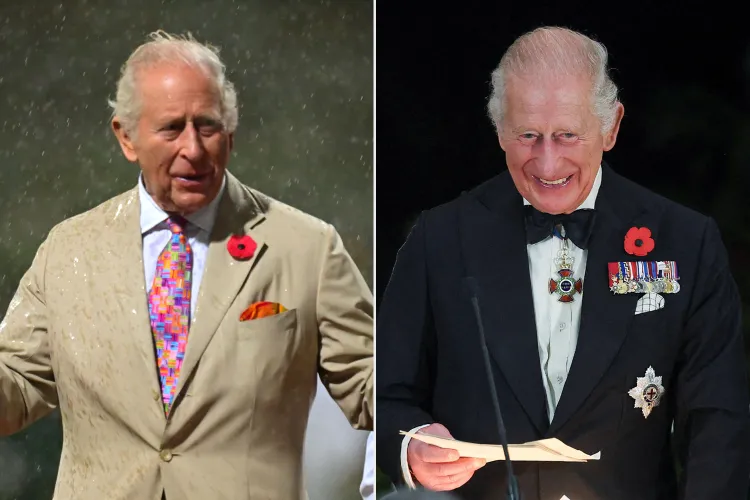
🚨 ROYAL BOMBSHELL: KING CHARLES DEPLOYED AS BRITAIN’S ‘SECRET WEAPON’ IN GLOBAL POLITICAL BATTLE — PALACE AIDE REVEALS WHAT IS REALLY HAPPENING BEHIND THE SCENES!
Britain appears to be relying on an increasingly important diplomatic asset as political tensions continue to challenge its relationships with some of the world’s most powerful nations. And surprisingly, that asset is none other than King Charles III.
In an unusually revealing statement, a senior royal aide has described the monarch as a “great secret weapon” for the British government, suggesting that his influence, diplomatic experience and personal relationships allow him to accomplish things that elected politicians sometimes struggle to achieve.
The revelation follows King Charles and Queen Camilla’s demanding nine-day Caribbean tour, which included visits to the Bahamas, Guyana and Antigua and Barbuda, as well as the Commonwealth Heads of Government Meeting.
According to the aide, the government is increasingly asking the King to enter politically sensitive situations where Britain’s diplomatic relationships require careful attention.
“It’s a great secret weapon to send the King,” the aide reportedly explained, adding that Charles can reach audiences that politicians might not be able to reach.
WHY BRITAIN IS TURNING TO KING CHARLES
The development highlights an interesting aspect of Charles’s reign.
Unlike elected politicians, the King occupies a constitutional position above party politics. Although he must follow the government’s advice in official matters, his position allows him to maintain relationships with international leaders across different political backgrounds.
That distinction can be particularly valuable when diplomatic disagreements threaten relationships between governments.
Rather than approaching every international disagreement through political negotiations, Britain can use royal visits, personal conversations and carefully delivered speeches to strengthen relationships.
The King has increasingly become part of that diplomatic approach.
THE DONALD TRUMP CONNECTION
One particularly important example is Britain’s relationship with American President Donald Trump.
Relations between Washington and London have experienced periods of tension, including disagreements over international security and the confrontation involving Iran.
King Charles’s state visit to the United States earlier this year provided an opportunity to reinforce the historic relationship between the two countries.
His address to the US Congress attracted considerable attention, particularly his references to international cooperation, NATO, Ukraine and the importance of longstanding alliances.
His interactions with Trump also demonstrated how royal diplomacy can create opportunities for conversations that might otherwise be difficult for politicians.
The Palace’s assessment suggests that Charles’s ability to establish personal connections is becoming an important part of Britain’s international strategy.
THE CARIBBEAN TOUR THAT TESTED THE MONARCHY
However, the King’s latest Caribbean tour was not without controversy.
One of the biggest issues confronting Charles was the growing demand from several Caribbean nations for Britain to apologise for its historic involvement in the transatlantic slave trade and consider reparations.
The subject created a delicate diplomatic situation.
During his speeches, Charles expressed profound sorrow about the suffering caused by slavery, describing the history as something that filled his heart with horror.
However, he did not formally apologise or promise financial compensation.
His position reflected the British government’s policy and the constitutional boundaries surrounding the monarch’s role.
The visit nevertheless attracted attention from Commonwealth leaders, many of whom welcomed his acknowledgement of the historical suffering.
CAN KING CHARLES SAVE BRITAIN’S INTERNATIONAL RELATIONSHIPS?
The senior aide’s comments suggest that the King is increasingly being asked to handle the more complicated aspects of Britain’s diplomatic responsibilities.
His responsibilities extend beyond ceremonial appearances, royal receptions and official photographs.
He is also expected to help maintain relationships with countries where political disagreements, historical grievances and competing interests have created diplomatic challenges.
The Commonwealth is particularly important in this regard.
Charles remains its head and is the head of state of 15 countries. However, several Commonwealth nations continue to debate their constitutional relationships with the British monarchy.
Maintaining those connections will require diplomacy, understanding and respect for the decisions of individual countries.
A NEW CHAPTER IN CHARLES’S REIGN?
The latest revelation offers an interesting picture of how King Charles is defining his position as monarch.
His mother, Queen Elizabeth II, was widely recognised for her diplomatic influence and ability to maintain relationships with generations of world leaders.
Charles now faces a different international landscape, with changing alliances, political disagreements and growing demands for Britain to confront difficult parts of its history.
Despite the challenges, his senior aide believes the King genuinely enjoys the demanding diplomatic side of his responsibilities.
For now, Buckingham Palace appears confident that Charles can continue helping Britain navigate complicated international relationships.
But one important question remains: How much influence can a constitutional monarch really exercise when the political stakes are so high?
Britain may have found a valuable diplomatic representative in King Charles, but his success will ultimately depend on the relationships he can build and the limits imposed by his constitutional position.
One thing is becoming increasingly clear: King Charles’s role in Britain’s international diplomacy is attracting more attention than ever before.

Leonardo DiCaprio was photographed with a pregnant lady, he placed his hand on her belly.Wait… What The Hell Is Going On Between These Two?

Prince William, 44, spotted kissing mysterious woman, 28, during romantic UK vacation without wife Kate Middleton, 44, as her frequent hospital visits raise fresh concerns about her health, but one shocking detail in the photo raises big questions.

Epstein victim just released tapes of Donald Trump that will force him to resign from the presidency. See it Here……

Meghan Markle Caught SQUISHING Her FAKE “Moonbump” Right in Front of Children – The Pregnancy Hoax They Tried to Bury Just Exploded Again

Meghan Markle’s brother named as person of interest in dad Thomas’ porn probe as police share grim new witness claims about

💔 THIS IS GETTING UNCOMFORTABLE! Prince William Faces Unexpected Backlash After One Detail…👇

Taylor Swift and Travis Kelce’s beach photos have sparked a heated online (social media) debate, with fans divided over the body-shaming comments flooding social media. 👀 Why are people making such a big deal out of a beach photo? 😭

Taylor Swift Enjoys a Lovely Day at the Beach with Travis Kelce Despite Everything Happening Between Them, But Fans Can’t Help Noticing One Unexpected Detail…

5 MINUTES AGO: Palace CONFIRMS Tragic News About Kate Middleton Health. Andrew cried out in despair: ‘Oh, we are heartbroken…'” (For Full Information, Check Link In Comment👇🏻👇🏻)

UK sending King Charles into political fray as its ‘secret weapon’, aide says

President Trump says he have to destroy Iran.. Here’s the reasons why…⤵️
