
CELEBRITY
President Trump says he have to destroy Iran.. Here’s the reasons why…⤵️

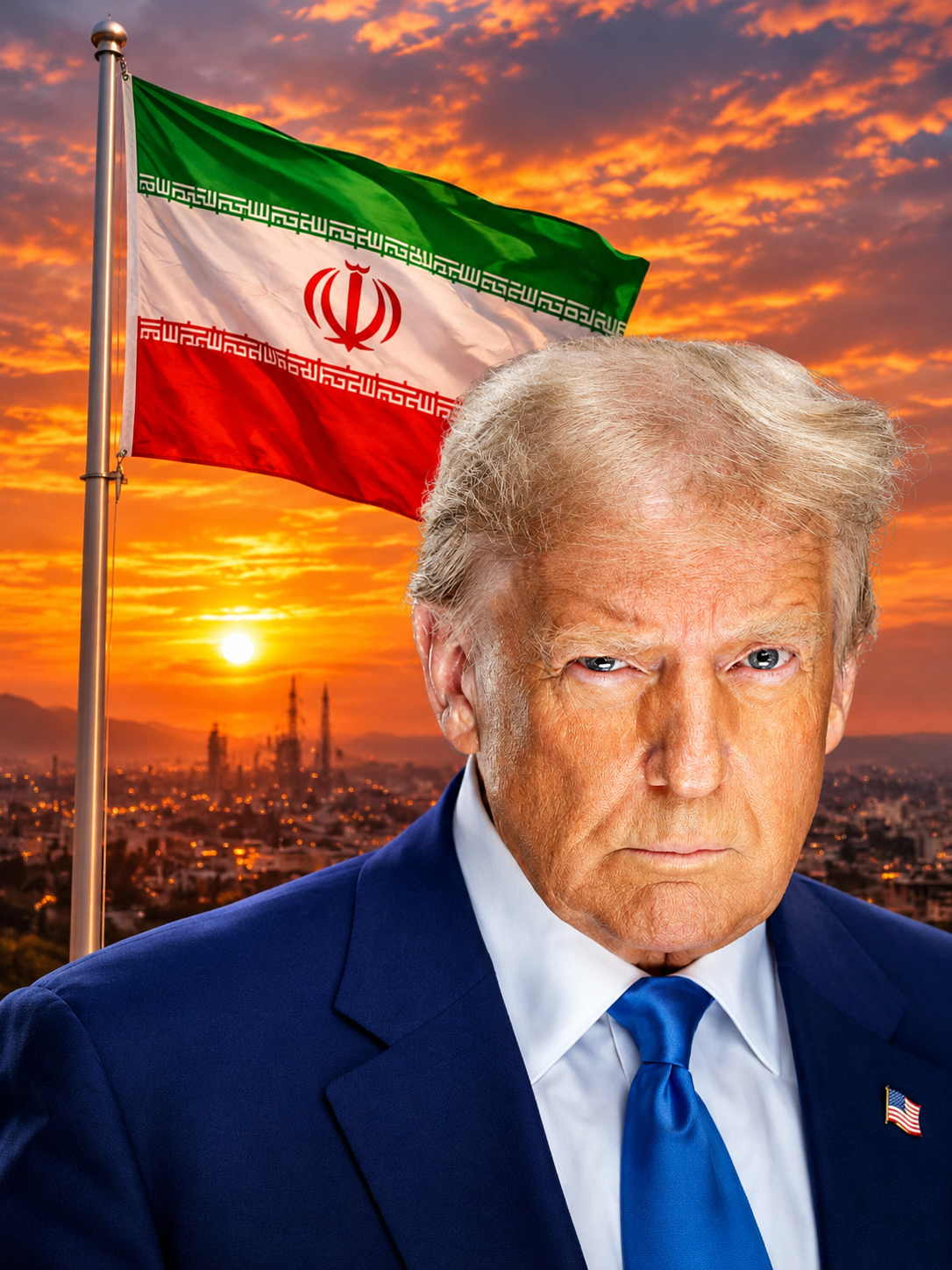
TRUMP ISSUES TERRIFYING WARNING TO IRAN
🔴 BREAKING: TRUMP ISSUES TERRIFYING WARNING TO IRAN: “I WOULD RATHER NOT DESTROY THE REST OF THE COUNTRY, BUT MAYBE I’LL HAVE TO” — THE WORLD HOLDS ITS BREATH!
The international community is once again watching Washington and Tehran closely after President Donald Trump delivered another forceful warning to Iran, suggesting that the United States could consider further military action if diplomatic efforts fail.
Speaking to reporters at the Oval Office on Thursday, November 5, 2026, Trump made a statement that immediately attracted international attention.
“I would rather not destroy the rest of the country if possible, but maybe I’ll have to. You’ll know soon enough,” the president declared.
His remarks have raised fresh concerns about the possibility of renewed American military operations against Iran, particularly as negotiations surrounding Tehran’s nuclear programme continue.
But behind Trump’s latest warning is a much bigger question: Is Washington preparing for another round of military action, or is the president attempting to pressure Iran into accepting an agreement?
TRUMP SAYS A DECISION IS COMING
Trump’s comments suggest that his administration is considering what he described as the next stage of its approach toward Iran.
The American president has repeatedly insisted that Iran must never acquire nuclear weapons, making the country’s nuclear programme one of the central issues in the confrontation.
During Thursday’s remarks, Trump indicated that Washington was considering whether additional action would be necessary to ensure that Iran could not rebuild its nuclear capabilities.
He also maintained that Tehran could not make decisions concerning its nuclear programme without American approval.
However, Trump did not announce a specific attack date or confirm that a new military operation had been ordered.
That distinction is important because the president’s statement leaves considerable uncertainty about what Washington intends to do next.
DIPLOMATIC NEGOTIATIONS CONTINUE BEHIND THE SCENES
Interestingly, Trump’s warning comes at a time when diplomatic contacts between Washington and Tehran are reportedly continuing.
Qatar has been playing an important intermediary role, helping communicate proposals between the two countries.
According to recent reports, Iranian representatives have been reviewing proposals concerning the country’s nuclear programme.
The negotiations are complicated by disagreements over sanctions, maritime restrictions, frozen Iranian assets and the future of the Strait of Hormuz.
Vice President JD Vance has also expressed optimism about the possibility of reaching a negotiated settlement.
This creates an unusual situation: while the president is publicly warning about further destruction, diplomatic channels remain active.
Whether those negotiations can produce an agreement acceptable to both sides remains uncertain.
WHY THE STRAIT OF HORMUZ MATTERS TO THE ENTIRE WORLD
One of the biggest concerns surrounding the confrontation is the Strait of Hormuz.
This strategically important waterway connects the Persian Gulf with international shipping routes and serves as a major passage for global oil and gas supplies.
Any prolonged disruption could have consequences far beyond the Middle East.
Countries that depend heavily on imported energy could face higher transportation and production costs.
Consumers could also experience increases in petrol prices, electricity costs and other essential goods.
For developing economies already struggling with inflation and currency pressures, another major disruption to international energy supplies could create additional economic difficulties.
This is why governments across the world have a strong interest in preventing the confrontation from becoming a much wider regional conflict.
COULD AMERICA LAUNCH ANOTHER MILITARY OPERATION?
Trump’s latest remarks have naturally raised questions about the possibility of renewed American strikes.
The president has suggested that further action could be necessary to prevent Iran from restoring capabilities that Washington considers a threat.
However, military escalation would carry considerable risks.
Iran has previously warned that it would respond to attacks against its territory and interests.
A renewed confrontation could therefore involve American military installations, regional partners, maritime routes and other strategic locations.
The consequences could extend beyond the immediate battlefield.
Military planners would also have to consider the potential impact on civilians, regional stability and international shipping.
For now, there is no publicly confirmed announcement establishing that Trump has ordered a new large-scale bombing campaign.
THE POLITICAL PRESSURE FACING THE WHITE HOUSE
Trump’s Iran policy is also unfolding against a difficult domestic political background.
The November 2026 midterm elections delivered significant defeats for Republicans, with Democrats gaining control of both chambers of Congress.
The prolonged confrontation with Iran and the rising cost of living have become important political issues.
Trump has defended his administration’s approach, arguing that preventing Iran from acquiring nuclear weapons is a major national security priority.
Nevertheless, the political consequences of a prolonged military confrontation could become increasingly significant.
The administration must now navigate competing pressures: maintaining its stated security objectives, addressing economic concerns and considering whether diplomacy can deliver a lasting agreement.
WHAT HAPPENS NEXT?
The coming days could prove important for the future of American-Iranian relations.
Will Tehran accept the diplomatic proposals being discussed?
Will Washington decide that negotiations are insufficient?
And could another military escalation be avoided before the situation becomes even more complicated?
These questions remain unanswered.
For ordinary Iranian citizens, the uncertainty is particularly serious. Another round of fighting could mean further damage to infrastructure, disruption of essential services, displacement and additional economic hardship.
For the rest of the world, the stakes are also considerable.
The United States and Iran are facing decisions that could influence regional security, international energy markets and diplomatic relations for years.
Trump’s final warning has left the world waiting for clarification.
“I would rather not destroy the rest of the country if possible, but maybe I’ll have to.”
Those words have become the focus of renewed international attention.
The biggest question now is whether diplomacy will prevail or whether Washington and Tehran are heading toward another dangerous chapter in their confrontation.

Leonardo DiCaprio was photographed with a pregnant lady, he placed his hand on her belly.Wait… What The Hell Is Going On Between These Two?

Prince William, 44, spotted kissing mysterious woman, 28, during romantic UK vacation without wife Kate Middleton, 44, as her frequent hospital visits raise fresh concerns about her health, but one shocking detail in the photo raises big questions.

Epstein victim just released tapes of Donald Trump that will force him to resign from the presidency. See it Here……

Meghan Markle Caught SQUISHING Her FAKE “Moonbump” Right in Front of Children – The Pregnancy Hoax They Tried to Bury Just Exploded Again

Meghan Markle’s brother named as person of interest in dad Thomas’ porn probe as police share grim new witness claims about

💔 THIS IS GETTING UNCOMFORTABLE! Prince William Faces Unexpected Backlash After One Detail…👇

Taylor Swift and Travis Kelce’s beach photos have sparked a heated online (social media) debate, with fans divided over the body-shaming comments flooding social media. 👀 Why are people making such a big deal out of a beach photo? 😭

Taylor Swift Enjoys a Lovely Day at the Beach with Travis Kelce Despite Everything Happening Between Them, But Fans Can’t Help Noticing One Unexpected Detail…

5 MINUTES AGO: Palace CONFIRMS Tragic News About Kate Middleton Health. Andrew cried out in despair: ‘Oh, we are heartbroken…'” (For Full Information, Check Link In Comment👇🏻👇🏻)

UK sending King Charles into political fray as its ‘secret weapon’, aide says

President Trump says he have to destroy Iran.. Here’s the reasons why…⤵️
