
CELEBRITIES
🚨 BREAKING: It wasn’t a heated ambush — it was a quiet correction that shifted the tone instantly. A former White House figure appeared visibly unsettled after a reporter fact-checked his statements in real time during a public exchange, turning what began as a routine moment into a tense spotlight on accuracy. Notably, the fact-check itself was measured and grounded in publicly available information. There were no raised voices at first, no dramatic accusations — just a direct request for clarification. But as the questioning continued, the official pushed back and attempted to pivot, a reaction observers say only intensified attention on the discrepancy unfolding live. This wasn’t merely an awkward exchange — it became a credibility test. In an era where claims can be verified instantly, real-time corrections carry weight. As clips circulate and debate builds online, many are watching closely to see how moments like this shape public trust — and whether similar confrontations will become more common. 👇

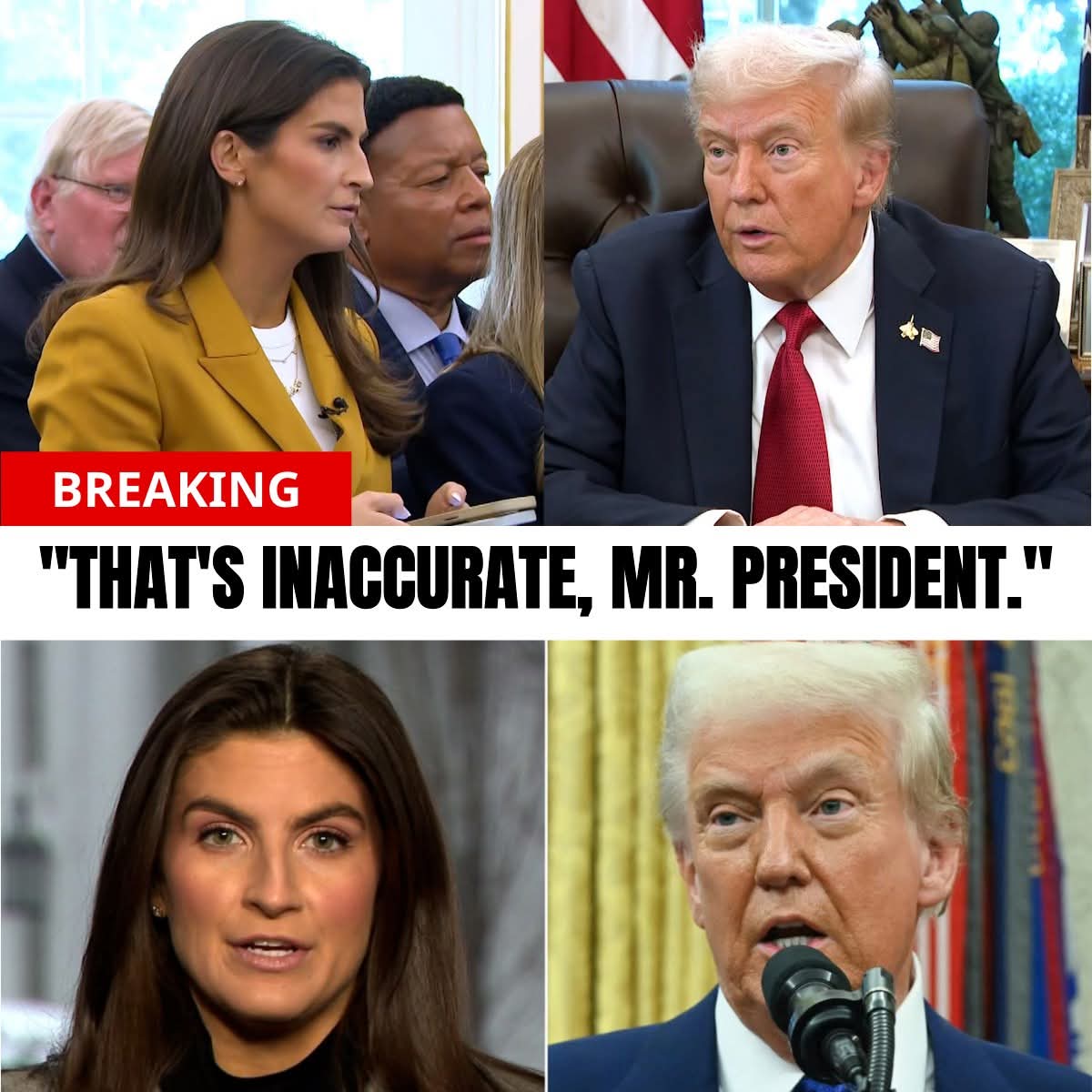
What began as an ordinary press exchange quickly turned into a defining moment for transparency and accountability.
During a public appearance, a former White House figure was calmly fact-checked in real time by a reporter — not with hostility, but with precision. The correction was measured, factual, and backed by publicly available data. Yet the impact was immediate.
The official’s initial composure shifted as the questioning deepened. Attempts to pivot away from the topic only drew more attention, as both viewers and journalists honed in on the emerging discrepancy. What started as a simple clarification soon became a test of credibility — unfolding live, before an audience now accustomed to instant verification.
In an age where facts can be checked within seconds, truth doesn’t wait. This moment highlights a growing reality: public figures no longer face just editorial scrutiny — they face the collective vigilance of an informed audience.
Clips of the exchange are already making rounds online, sparking heated debates about media responsibility, political honesty, and public trust.
👀 The question now: Will this quiet correction mark a shift toward more live accountability — or will it deepen the divide between power and the press?
💬 What’s your take — should journalists challenge inaccuracies in real time, or wait until after the cameras stop rolling?

TAYLOR SWIFT JUST BROKE DOWN LIVE ON TV: CALLS T.R.U.M.P “A VICIOUS OLD BASTARD BLEEDING THE UNITED STATES” OVER THE “BORN IN AMERICA” LAW….. full details ⤵️

🚨 BREAKING: It wasn’t a heated ambush — it was a quiet correction that shifted the tone instantly. A former White House figure appeared visibly unsettled after a reporter fact-checked his statements in real time during a public exchange, turning what began as a routine moment into a tense spotlight on accuracy. Notably, the fact-check itself was measured and grounded in publicly available information. There were no raised voices at first, no dramatic accusations — just a direct request for clarification. But as the questioning continued, the official pushed back and attempted to pivot, a reaction observers say only intensified attention on the discrepancy unfolding live. This wasn’t merely an awkward exchange — it became a credibility test. In an era where claims can be verified instantly, real-time corrections carry weight. As clips circulate and debate builds online, many are watching closely to see how moments like this shape public trust — and whether similar confrontations will become more common. 👇

UPDATE : Donald Trump Administration Unveils Budget Proposal to Reduce SSI and Veterans Benefits in Bid to Reallocate Funds to DHS as Partial Homeland Security Shutdown Enters Critical Phase While Congress Declines

🚨 JUST IN 🇺🇸 🚨 Sen. John Fetterman (D) is calling on Senate Democrats to vote to fund the Department of Homeland Security (DHS).

“Mary Trump says her uncle is a sociopath who suffers from Narcissistic Personality Disorder as well as a long undiagnosed learning disability. Keep in mind, Mary Trump holds a Doctorate in Clinical Psychology.” Do you agree with Mary Trump?

A former White House figureGOES NUTS After Rosie O’Donnell EXPOSED His DIRTY SECRETS On Live TV! New York City — The segment was scheduled to be light. A mix of pop culture, politics, and the kind of sharp humor audiences expect when Rosie O’Donnell sits across from a camera. No one warned the control room. No one cut to commercial. And then O’Donnell leaned forward. What followed was a live television moment so unfiltered, so relentlessly direct, that it detonated across media, politics, and Trump World in a matter of minutes — triggering a furious reaction from Donald Trump that insiders later described with one word: unhinged. “This wasn’t a joke,” said a producer who watched it unfold. “This was a release.”

🚨 Capitol Hill ERUPTS as Congress DEMANDS Trump REMOVAL — “WITHIN HOURS” 🔥🏛️ Washington descends into chaos after explosive reports claim lawmakers moved at breakneck speed to demand Donald Trump’s removal within hours. Capitol Hill reportedly erupted as emergency meetings were called, alliances fractured, and tempers flared across party lines. Sources say the sudden push triggered intense behind-the-scenes negotiations, with leaders warning of historic political fallout if momentum continues. Supporters are pushing back hard, while critics argue the situation has reached a breaking point. 👇 See all below in⤵️

⚡ BREAKING: Trump vs. Canada — Bridge WAR Erupts! “Trump vows to BLOCK the $4.7 BILLION Gordie Howe International Bridge until the U.S. is ‘paid back.’” 🚧 The Michigan–Ontario link could be SHUT DOWN before it even opens! 💬 What’s your take — bold leadership or international chaos? SOUND OFF ⤵️

🔥 TAYLOR SWIFT JUST DECLARED TRUMP UNFIT FOR OFFICE LIVE ON TV: “HE IS FORCING AMERICANS TO MAKE HORRID DECISIONS THEY NEVER SIGNED UP FOR — THIS MAN IS DESTROYING OUR COUNTRY FOREVER.”….Read more ⤵️

JUST IN: Can They Get to 218? Bipartisan Coalition of Democrats and Moderate Republicans Races Against Time to Impeach Donald Trump Over Shocking Allegations Spanning War Crimes, Epstein Connection, and Embezzlement

🚨JUST IN: Congressional Showdown Slows Proposed SAVE Act Changes After Ongoing Voting Rights Discussion 🇺🇸⚖️ In a dramatic turn on Capitol Hill, lawmakers have halted forward movement on proposed changes related to the SAVE Act, triggering intense debate over federal voter eligibility standards and constitutional boundaries. Supporters argue the proposal aims to strengthen election integrity, while critics warn it could reshape access to the ballot box in ways that demand deeper constitutional scrutiny. The clash has exposed sharp divisions over how far federal authority should extend in regulating voting requirements. With both sides digging in, the broader national conversation about voting rights, states’ powers, and election safeguards appears far from settled. What happens next could influence the direction of federal election policy for years to come. Full developments continue to unfold. ⤵️
