
CELEBRITIES
🚨 JUST IN: Trump’s 25% Wheat Tariff Sparks Price Surge as Canada Redirects Grain Overseas ⚡ The tariff hit—and the market reacted before sunrise. After Donald Trump announced a 25% tariff on Canadian wheat, grain prices spiked and buyers scrambled as Ottawa quietly rerouted shipments to Europe and Asia. U.S. millers now face tighter supply and higher costs, while global traders move fast to lock in Canadian contracts once destined south of the border. Supporters call the tariff a bold defense of American farmers; critics warn it’s consumers and food producers who will feel the squeeze first. With bread prices inching up and export lanes shifting in real time, did Washington just strengthen its leverage—or push a vital supplier to look elsewhere for good? 📌 See full story 👇

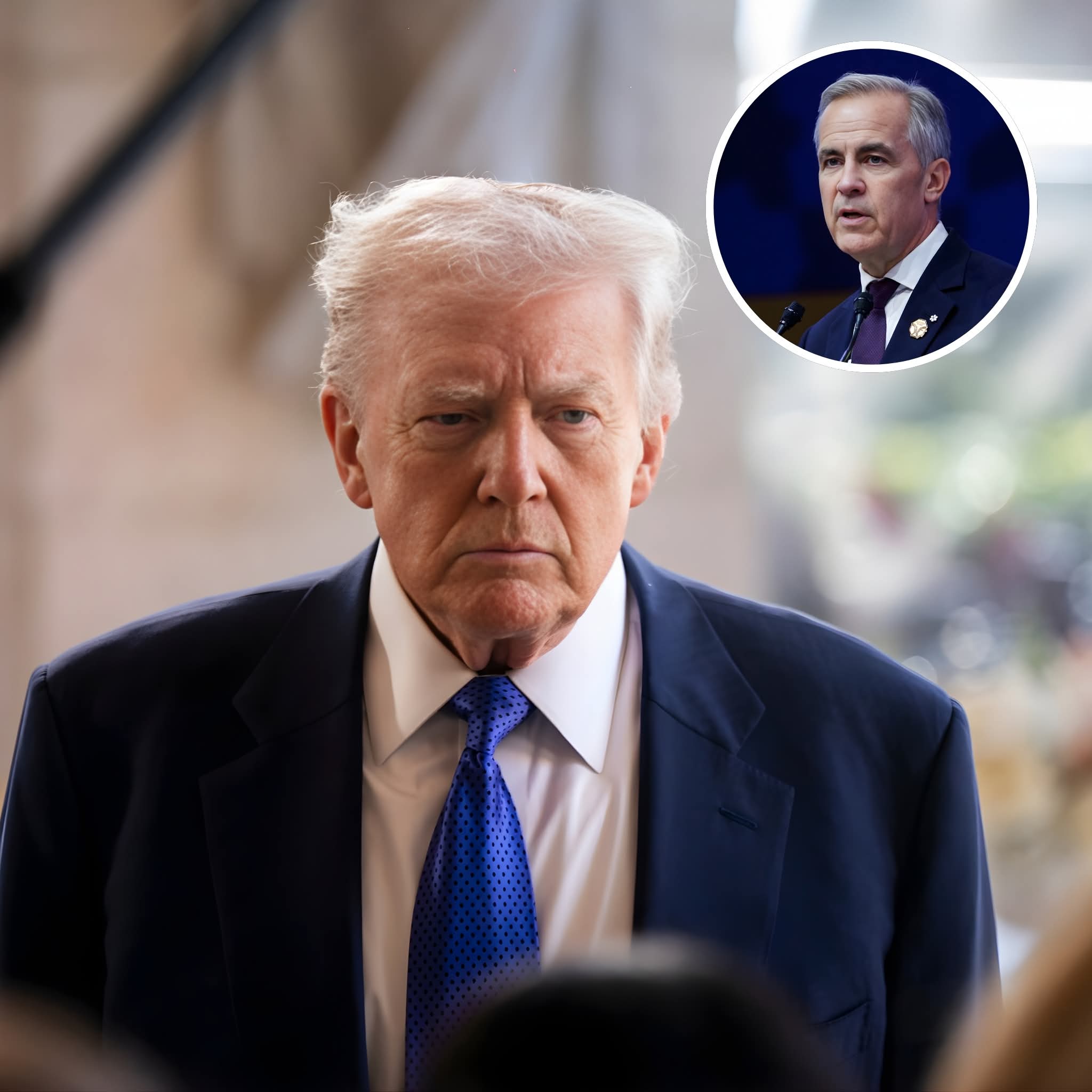
The tariff hit — and the market reacted before sunrise.
After Donald Trump announced a 25% tariff on Canadian wheat, grain futures jumped and buyers began scrambling to secure supply. Within hours, trade desks were buzzing as Ottawa quietly moved to redirect shipments toward Europe and Asia, shifting cargo that had long flowed south into U.S. mills.
Now, American millers are facing tighter supply lines and higher input costs — and the ripple effects are already being felt.
📈 What’s Happening?
Grain prices spiked almost immediately after the announcement.
Canadian exporters began locking in overseas contracts at competitive rates.
U.S. food producers are warning of rising production costs.
Bread and flour prices are beginning to inch upward in some markets.
Global commodity traders aren’t waiting around. With uncertainty in North America, buyers in Europe and Asia are racing to secure Canadian supply before prices climb further.
🇺🇸🇨🇦 A High-Stakes Gamble
Supporters say the tariff is a bold move to protect American farmers, arguing it levels the playing field and strengthens U.S. leverage in trade negotiations.
Critics counter that it may backfire, pushing one of America’s most reliable suppliers to deepen ties elsewhere — while American consumers and food manufacturers absorb the cost increases.
The bigger question:
Did Washington just strengthen its negotiating position… or encourage a long-term shift in global grain trade routes?
As export lanes adjust in real time and contracts get rewritten overseas, the consequences could stretch far beyond wheat fields.

🔥 PAM BONDI PUSHES BACK IN HEATED EPSTEIN FILES CLASH

SHOCK CLAIM: “Secret Epstein Tapes” Allegedly Linked to Trump — Could This Shake the Presidency? 🎥⚠️ An Epstein victim now alleges explosive recordings exist that could force a resignation. But here’s what we know right now: No verified evidence has been released. No official confirmation. Is this the beginning of a political earthquake — or another unproven storm? 👉 Click to read what’s actually confirmed before the narrative takes over. #BreakingPolitics #EpsteinCase #TrumpNews

THE FINAL “CLEAN-UP” EXPOSED: OVER 600 REPUBLICANS NAMED IN THE EPSTEIN FILES – SHOCKING TRUTH DOJ CAN’T HIDE AS T-R-U-M-P’S EMPIRE COLLAPSES

🚨 JUST IN: Trump’s 25% Wheat Tariff Sparks Price Surge as Canada Redirects Grain Overseas ⚡ The tariff hit—and the market reacted before sunrise. After Donald Trump announced a 25% tariff on Canadian wheat, grain prices spiked and buyers scrambled as Ottawa quietly rerouted shipments to Europe and Asia. U.S. millers now face tighter supply and higher costs, while global traders move fast to lock in Canadian contracts once destined south of the border. Supporters call the tariff a bold defense of American farmers; critics warn it’s consumers and food producers who will feel the squeeze first. With bread prices inching up and export lanes shifting in real time, did Washington just strengthen its leverage—or push a vital supplier to look elsewhere for good? 📌 See full story 👇

🏛️ BREAKING: Trump’s Ballroom Dream COLLAPSES — East Wing Demolished, $400M Unaccounted For 😳 Built in 1902. Renovated in 1942. Now? Flattened. A federal judge shut it down. Preservation officials stepped in. And the millions raised? Gone without explanation. 👉 Read the full explosive details before this gets buried ⬇️

U.S. Senator Ed Markey is publicly calling for Donald Trump to be removed from office after controversial remarks — and a small group of Democrats are backing him. But here’s what most people don’t realize: There is NO official action underway, and the 25th Amendment has NEVER been successfully used to remove a president. Is this the beginning of a constitutional showdown… or political pressure in a deeply divided America? 👉 See what would actually have to happen next ⤵️

🚨 JUST IN: Joly DESTROYS Opposition Over SILENCE on Trump’s Tariffs 💥🇨🇦🇺🇸 A fiery intervention from Mélanie Joly has just blown open the political divide after she called out the opposition for staying silent as Trump’s tariff threats escalated. In a sharp, unapologetic takedown, Joly accused rivals of abandoning Canadian workers and industries at a critical moment, while Ottawa moved to defend jobs and supply chains. Insiders say the clash instantly shifted momentum, exposing who’s willing to confront Washington—and who isn’t. What started as quiet avoidance has now become a full-blown accountability fight. 👉 The moment Joly put the opposition on the spot — and why their silence is now backfiring — is spreading fast. 👇👇 Click the full story before the political fallout explodes.

BREAKING: Top Republicans are reportedly complaining that, if the American people demanded the resignation of everyone involved in the cover up of the Epstein Files, the Trump Administration would have “like 3 people left.”

JUST IN: 🇯🇵🇺🇦 Japan has announced $3.8 million in new aid to help Ukraine repair cultural assets damaged during the war.

MILLIONS VOICES RISING — TRUMP IMPEACHMENT PETITION EXPLODES ONLINE A new petition tied to Trump impeachment discussions is reportedly racing toward 1 MILLION signatures, showing just how fired-up and divided Americans are right now. Supporters call it a powerful demand for accountability, while critics warn it could ignite even deeper political chaos. Is this the turning point that forces Congress to act—or just another digital storm? 👉 Click the link to see the petition numbers and what happens next….See more ⤵️

BREAKING: The racist staffer posting from the White House targeting the Obamas got Democrats and Republicans very angry Democrats want Trump impeached immediately for racism and some Republicans said…. Full details ⤵️
